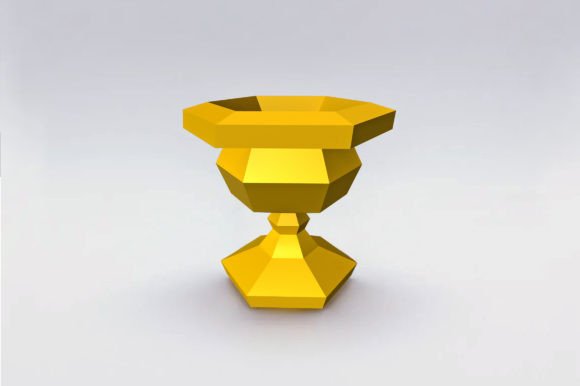
DIY Flower Pot: 3D Papercraft with Digital Files for Creative Crafting
Creating a DIY flower pot using 3D papercraft is an engaging and creative way to bring your artistic vision to life. With the right tools and materials, you can assemble a beautiful, functional flower pot in just two hours. This project not only offers a fun activity for craft enthusiasts but also serves as a practical addition to your home or garden. Whether you're a beginner or an experienced crafter, this guide will walk you through the process of assembling your own flower pot using digital files and basic crafting supplies.
What Is a DIY Flower Pot 3D Papercraft?
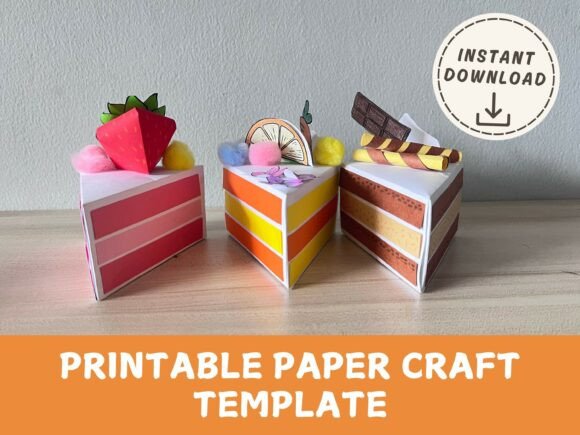
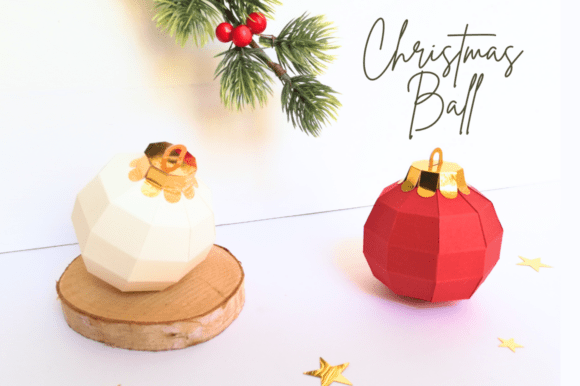
A DIY flower pot 3D papercraft is a printable template that allows you to create a three-dimensional structure from paper. These templates are typically provided in various digital formats such as PDF, EPS, DXF, PNG, and more. Once printed, the design can be cut out, scored, folded, and glued to form a sturdy and aesthetically pleasing flower pot. The assembled size of the pot is usually around 30 x 28 x 32 cm, making it suitable for small plants or decorative purposes.
The beauty of this project lies in its simplicity and versatility. You can customize the design by using different colors of cardstock paper, adding patterns, or even painting the finished product. It's an excellent way to express your creativity while also learning about design, geometry, and craftsmanship.
Why Choose 3D Papercraft for Your Flower Pot?
There are several reasons why 3D papercraft has become a popular choice for DIY projects. First, it’s an affordable and accessible option. Unlike traditional pottery, which requires specialized tools and materials, papercraft only needs a printer, some paper, and basic crafting supplies. This makes it ideal for people who want to try their hand at crafting without a large investment.
Second, 3D papercraft is environmentally friendly. By using recycled or sustainable paper, you can reduce waste and create something beautiful without harming the planet. Additionally, the digital files provided with these kits are easy to store and share, making them a convenient option for both personal use and educational purposes.
Third, the assembly process is straightforward and rewarding. With clear instructions and pre-designed templates, even those new to papercraft can complete the project successfully. The two-hour time frame ensures that you can finish the pot quickly and enjoy your creation without spending too much time on preparation.
What You Need to Get Started
To begin your DIY flower pot project, you’ll need the following materials:
- Colored Printer: A high-quality printer is essential for producing clear and accurate templates. Make sure your printer can handle A4 or letter-sized paper.
- Glue: Use a strong adhesive such as white glue or double-sided tape to secure the flaps of the paper model.
- Scissors: Sharp scissors will help you cut out the template pieces precisely.
- Craft Knife: A craft knife is useful for making clean cuts and scoring the paper for folding.
- Scorer or Bone Folder: This tool helps you create crisp folds along the scored lines, ensuring a neat and professional look.
- Non-Working Ballpoint Pen: A ballpoint pen can be used to trace over the fold lines for better visibility.
- Ruler: A ruler ensures that your measurements are accurate and your folds are straight.
- A4 or Letter Cardstock Paper: High-quality cardstock paper provides durability and a smooth surface for printing and folding.
Once you have all the necessary tools, you can proceed to print the templates and start assembling your flower pot.
How to Assemble Your Flower Pot
Assembling a 3D papercraft flower pot involves a few simple steps. Follow these instructions to ensure a successful outcome:
- Print the Templates: Print the provided templates on A4 or letter-sized cardstock paper. Make sure the settings are set to "print full size" to maintain the correct proportions.
- Score and Fold: Use a scorer or bone folder to create creases along the designated lines. These folds will help shape the pot into its final form.
- Cut Out the Pieces: Carefully cut out each piece of the template using scissors or a craft knife. Be precise to avoid any misalignment during assembly.
- Glue the Flaps: Apply glue to the flaps and press them together to form the sides of the pot. Allow the glue to dry completely before handling the finished product.
- Add Decorative Touches (Optional): If desired, paint or decorate the pot with markers, stickers, or other embellishments to personalize your creation.
With patience and attention to detail, you’ll have a beautifully crafted flower pot ready to display or use for planting.
The Benefits of Using Digital Files for Papercraft
One of the key advantages of working with digital files like PDF, EPS, DXF, and PNG is the flexibility they offer. These files can be easily downloaded, edited, and printed, allowing you to customize the design according to your preferences. For example, you can adjust the size, change the color scheme, or add custom text to make your flower pot unique.
Additionally, digital files are perfect for educational and professional settings. Teachers can use them to teach students about geometry, design, and spatial reasoning. Artists and designers can incorporate these templates into their work for quick prototyping or as part of a larger creative project.
Common Misconceptions About 3D Papercraft
Despite its many benefits, there are some common misconceptions about 3D papercraft that may deter people from trying it. One of the most frequent misunderstandings is that it’s only for children or hobbyists. In reality, 3D papercraft is a valuable skill that can be applied in various fields, including architecture, engineering, and graphic design.
Another misconception is that the process is too complicated or time-consuming. However, with the right tools and instructions, anyone can complete a 3D papercraft project in just a couple of hours. The key is to follow the steps carefully and take your time with each stage of the assembly.
Conclusion
Creating a DIY flower pot using 3D papercraft is a fun, creative, and practical activity that offers numerous benefits. Whether you’re looking for a unique way to decorate your home, a hands-on project for your family, or a way to explore your artistic side, this project has something to offer. With the right materials, digital files, and a bit of patience, you can transform a simple sheet of paper into a beautiful and functional flower pot.
By understanding the process and embracing the possibilities of 3D papercraft, you can unlock a world of creativity and innovation. So why not give it a try? You might just discover a new passion for crafting and design. If you have any questions or need further assistance, feel free to reach out anytime. Happy crafting!