Cute T-Rex 3D Print Model: A Fun and Educational Project for All
Creating a Cute T-Rex 3D print model can be an exciting way to explore the world of 3D printing, whether you're a hobbyist, educator, or enthusiast. This charming version of the iconic dinosaur offers a unique blend of creativity and practicality, making it a popular choice for those looking to bring a playful touch to their 3D printing projects. However, while the concept sounds simple, there are several factors to consider before diving into this fun endeavor.
Understanding the Cute T-Rex 3D Print Model
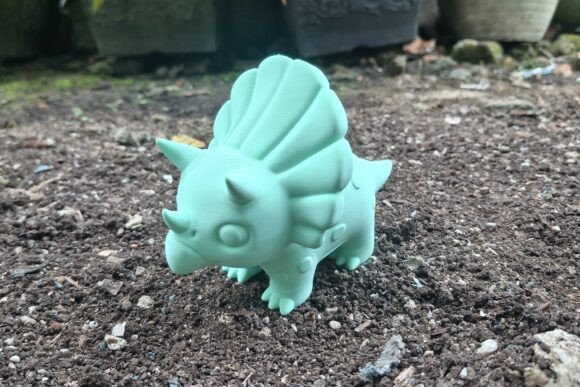
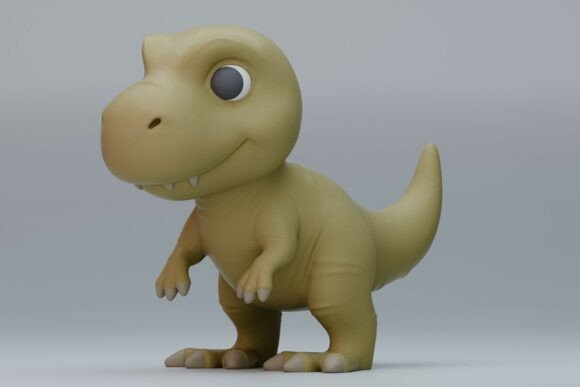
The Cute T-Rex 3D print model is designed with a stylized, appealing aesthetic that sets it apart from more realistic or intimidating representations of the dinosaur. Rather than focusing on the fearsome nature of the T-Rex, this model emphasizes charm and approachability, making it ideal for children, classroom projects, or decorative displays. The design often includes rounded edges, expressive features, and a friendly appearance that appeals to a wide audience.
For many, the appeal lies in the combination of educational value and entertainment. Printing a T-Rex model can help users understand the basics of 3D modeling, printing, and design while also offering a tangible result that can be displayed or used in creative ways.
Key Details to Consider Before Printing
While the Cute T-Rex 3D print model may seem straightforward, there are several details that can impact the success of your project. One of the most important factors is the printer model used. The model has been tested on the Bambulab A1 Mini, a compact and user-friendly 3D printer known for its reliability and ease of use. If you're using a different printer, it's essential to verify compatibility and adjust settings accordingly.
Another critical factor is the filament material. The model was printed using Sunlu PLA, a high-quality, biodegradable plastic that’s easy to work with and produces smooth, detailed prints. However, not all PLA filaments are the same, and using a lower-quality alternative could lead to issues such as warping, poor layer adhesion, or inconsistent results. Always choose a reputable brand and ensure your printer is properly calibrated for the material you’re using.
Support Structures: A Necessary Step
One of the most common mistakes when printing complex models like the Cute T-Rex is overlooking the need for support structures. The model requires supports to maintain its shape during the printing process, especially in areas with overhangs or intricate details. Without proper support, parts of the model may collapse or deform, leading to a failed print.
It’s also important to remember that supports must be carefully removed after printing. Improper removal can damage the model, leaving visible marks or weakening its structure. Using a good pair of tweezers or a support removal tool can make this process easier and less damaging.
Dimensions and Sizing Challenges
The dimensions of the Cute T-Rex 3D print model are 63.949 mm x 120.005 mm x 92.1808 mm. These measurements indicate that the model is relatively large, which means it may require a larger build plate or multiple prints if your printer has size limitations. Before starting, always check your printer’s maximum build volume to ensure the model will fit without needing to be split into sections.
Additionally, the size of the model can affect print time and material usage. Larger prints typically take longer and consume more filament, so it’s wise to plan for extra time and resources. If you're working on a budget, consider whether the scale of the model aligns with your goals and available materials.
Common Mistakes and How to Avoid Them
One of the most frequent errors when working with 3D print models is assuming that all files are ready to print out of the box. While the Cute T-Rex model may have been tested on the Bambulab A1 Mini, it’s still important to review the file for any potential issues, such as incorrect scaling, missing components, or improper orientation. Some models may require minor adjustments to optimize for your specific printer or filament type.
Another mistake is neglecting to clean up the model before printing. Even small imperfections in the 3D model can lead to failed prints or poor quality. Using a 3D modeling software to check for holes, overlapping faces, or other issues can save time and frustration down the line.
Practical Tips for a Successful Print
To ensure the best results with your Cute T-Rex 3D print model, start by verifying that your printer is properly calibrated. Check the bed leveling, nozzle height, and temperature settings to match the requirements of Sunlu PLA. A well-calibrated printer can significantly improve the quality and success rate of your print.
When slicing the model, pay attention to the settings such as layer height, infill density, and print speed. For a detailed model like the T-Rex, a finer layer height (such as 0.1 mm) can produce smoother surfaces, while a moderate infill density (around 20-30%) balances strength and material usage. Adjusting the print speed to a slower setting can also help prevent issues like stringing or under-extrusion.
Final Thoughts on the Cute T-Rex 3D Print Model
The Cute T-Rex 3D print model is a fantastic project for anyone interested in 3D printing, offering both creative and educational value. However, success depends on careful planning, attention to detail, and understanding the nuances of the printing process. By taking the time to research, prepare, and execute your print, you can enjoy a rewarding experience and a beautifully crafted model that reflects your effort and skill.
Whether you're a beginner looking to learn the ropes or an experienced maker seeking a new challenge, the Cute T-Rex 3D print model provides an engaging opportunity to explore the possibilities of 3D printing in a fun and accessible way.